
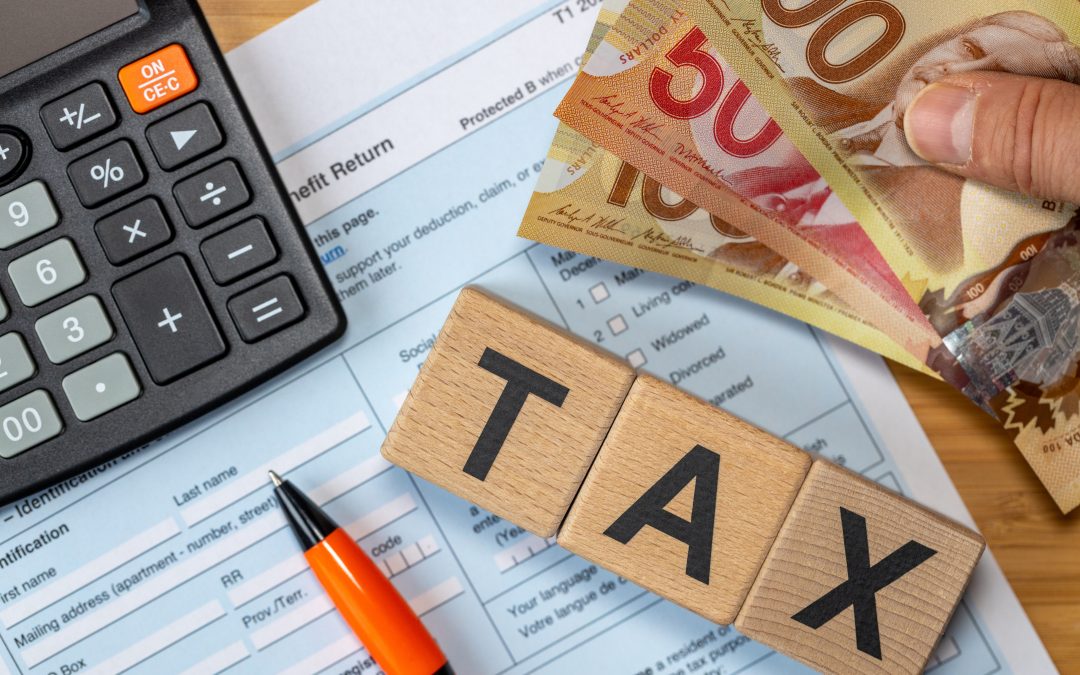

If you owe money to the Canada Revenue Agency (CRA), you are not alone—and more importantly, you are not out of options.
Across Nova Scotia, rising living costs, seasonal employment, and unexpected life events have left many people struggling to keep up with tax payments. The stress can feel overwhelming, especially when CRA starts calling, garnishing wages, or freezing bank accounts.
The good news? There are clear, legal ways to deal with CRA tax debt—and you can take back control sooner than you think.
What Happens If You Owe CRA Money?
CRA is one of the most powerful creditors in Canada. Unlike credit cards or banks, they don’t need a court order to take action.
If your tax debt remains unpaid, CRA can:
* Garnish your wages without warning
* Freeze or seize your bank account
* Place a lien on your home or property
* Withhold tax refunds or benefits (like GST/HST credits)
In a smaller province like Nova Scotia, where many people rely on seasonal or variable income, this can quickly create financial hardship.
Step 1: Don’t Ignore CRA (Even If You Can’t Pay)
This is the most important step.
Many people avoid CRA because they feel embarrassed or overwhelmed—but ignoring the situation will only make it worse.
Filing your taxes on time—even if you can’t pay—is critical. It:
* Prevents additional penalties
* Keeps your benefits flowing
* Shows CRA you are trying to stay compliant
Deadlines for filing are April 30, 2026 for most individuals and June 15, 2026 for self-employed individuals.
Step 2: Understand Your CRA Debt Relief Options
There is no one-size-fits-all solution. The right option depends on your income, assets, and overall financial situation.
Here are the main ways to deal with CRA tax debt in Nova Scotia:
1. CRA Payment Arrangements
If you can afford to repay your debt over time, CRA may accept a monthly payment plan.
Best for:
* People with steady income
Lower overall debt levels
Important to know:
* Interest continues to build
* Payments must be consistent
* CRA can cancel the plan if you miss payments
2. Taxpayer Relief (Interest & Penalty Relief)
In certain situations, CRA may reduce or eliminate penalties and interest.
Examples include:
* Serious illness or injury
* Financial hardship
* Natural disasters
This won’t eliminate the original tax debt—but it can reduce the total amount owed.
3. Consumer Proposal (Often the Best Option)
A consumer proposal is a legal program that allows you to settle your debt for less than what you owe.
It is administered by a Licensed Insolvency Trustee.
Key benefits:
* Can reduce CRA debt by up to 70–80%
* Stops interest immediately
* Legally stops wage garnishments and CRA collections
* Allows you to keep your assets (including your home)
For many people in Nova Scotia, especially those dealing with multiple debts, this is the most effective and manageable solution.
In order for CRA to consider accepting a proposal, there are certain key elements that must be met – the most important of which is your tax returns need to be filed up to date.
4. Bankruptcy (When You Need a Fresh Start)
Bankruptcy is sometimes the right option if your debt is too high to realistically repay.
What to expect:**
* Most unsecured debts—including CRA tax debt—are eliminated
* Collection actions stop immediately
* You can begin rebuilding your financial future
Despite common fears, many people are able to keep essential assets depending on their situation.
Nova Scotia Considerations: Why Tax Debt Feels Harder Here
Living in Nova Scotia comes with unique financial challenges:
* Seasonal work in industries like fishing, tourism, and construction
* Longer commuting distances and higher fuel costs in rural areas
* Lower average incomes compared to other provinces
These factors can make it harder to stay ahead of tax obligations—but they also make it even more important to get the right help early.
—
Warning Signs You Should Take Action Now
If any of these apply to you, it’s time to explore your options:
* CRA has started calling or sending legal notices
* You’re using credit to pay taxes
* You’re falling behind on multiple debts
* You’re worried about wage garnishment
* You feel stressed every time you think about money
—
The Truth About CRA Debt
Here’s what most people don’t realize:
👉 CRA will work with you—but only if you take action
👉 You have legal protections available
👉 You do not have to deal with this alone
—
How a Licensed Insolvency Trustee Can Help
A Licensed Insolvency Trustee (LIT) is the only professional in Canada legally authorized to file a consumer proposal or bankruptcy.
They can:
* Deal directly with CRA on your behalf
* Stop collection actions
* Help you choose the best option for your situation
* Create a plan to rebuild your finances
Most importantly, consultations are confidential, non-judgmental, and often free.
—
Take the First Step Toward Relief
Dealing with CRA tax debt can feel overwhelming—but there is a path forward.
The sooner you understand your options, the more control you have.
If you’re in Nova Scotia and struggling with tax debt, reaching out for advice could be the turning point.
—
👉 Book Your Free, Confidential Consultation
At **Golding & Associates**, we help people across Nova Scotia find real solutions to CRA debt—without judgment.
* Clear advice you can trust
* Local experts who understand your situation
* A plan designed around your life
You don’t have to carry this alone.